
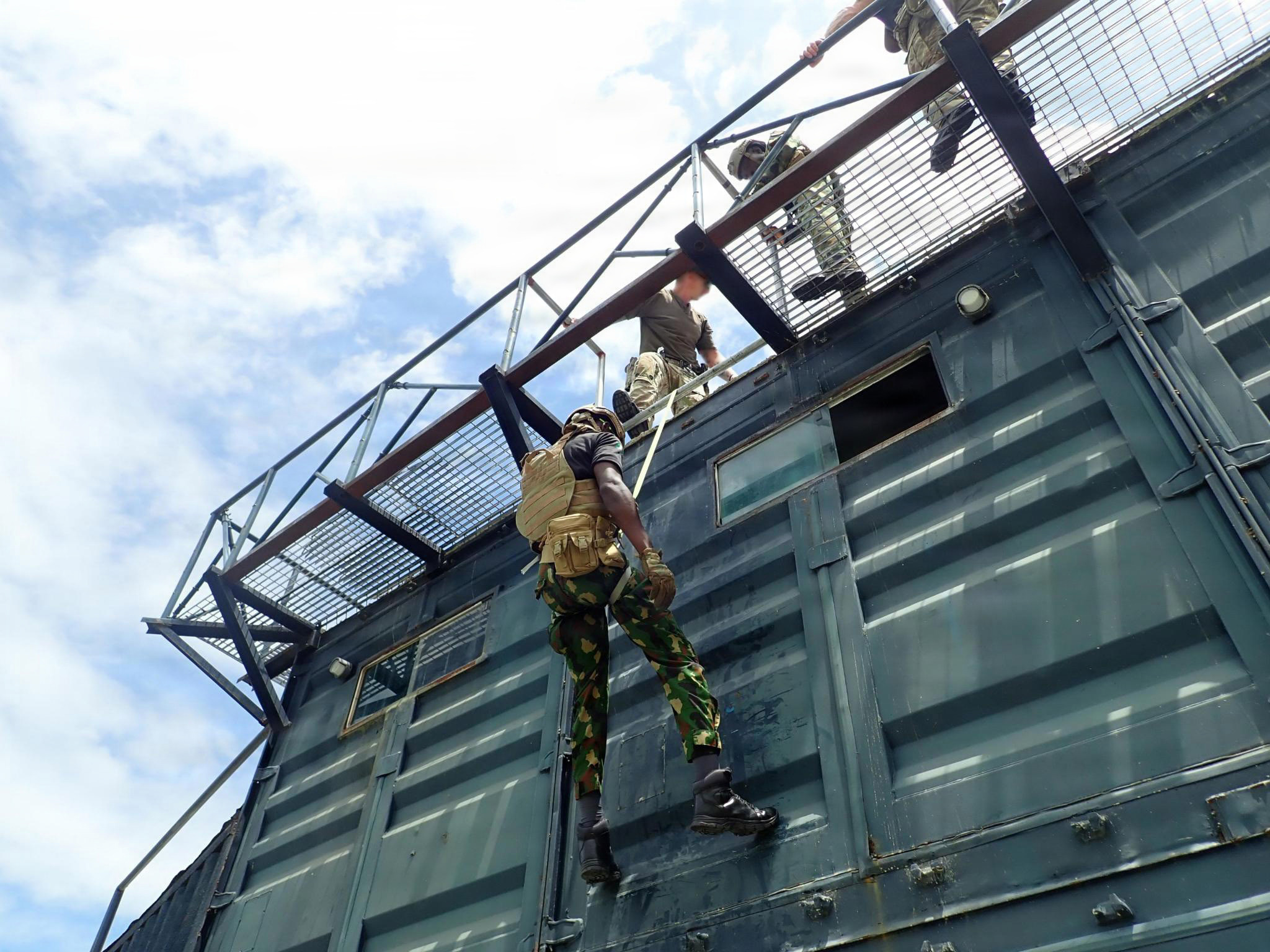
Nigeria’s Hidden War: The Jihadist Campaign Behind the “Farmer-Herder” Label—Implications for U.S. Special Operations Command and the Education-Security Nexus in Plateau and Benue States
In Nigeria’s Hidden War: The Jihadist Campaign Behind the
“Farmer-Herder” Label—Implications for U.S. Special Operations Command and the
Education-Security Nexus in Plateau and Benue States, author Grace Isaiah
Galumje explores how escalating violence in Nigeria’s Middle Belt has evolved
beyond local resource disputes into a coordinated campaign of territorial
conquest and parallel governance linked to the Islamic State West Africa
Province (ISWAP), the Islamic State Sahel Province (ISSP), and the
al-Qaeda-linked Jamaat Nusrat al-Islam wal-Muslimin (JNIM) networks. The paper
highlights a critical counterterrorism vulnerability: mass displacement and
school destruction have excluded over half of displaced children from
education, creating a prime recruitment pool for extremist networks.
Aligned with U.S. Special Operations Command core activities and the 2026 National Defense Strategy, Galumje outlines seven footprint-light, cost-conscious recommendations. These include tailored hybrid-threat assessments, riverine interdiction training, Leahy Law-conditioned security force assistance, and civil affairs education-stabilization. This occasional paper provides SOF planners with an actionable framework to disrupt extremist recruitment pipelines and strengthen partner accountability without open-ended commitments.
Access as a webpage by clicking here or on the image below.
